Disabled people in Somalia face numerous challenges across various aspects of life, including education, work, politics, and human rights. The situation for disabled individuals in Somalia is complex and multifaceted due to a range of social, cultural, and economic factors.
In terms of education, disabled individuals often encounter significant barriers to access and inclusive learning opportunities. Many schools lack the necessary infrastructure, resources, and trained staff to accommodate the diverse needs of disabled students. Consequently, educational institutions are ill-equipped to provide appropriate support, hindering disabled individuals from accessing quality education on an equal basis with their non-disabled peers.
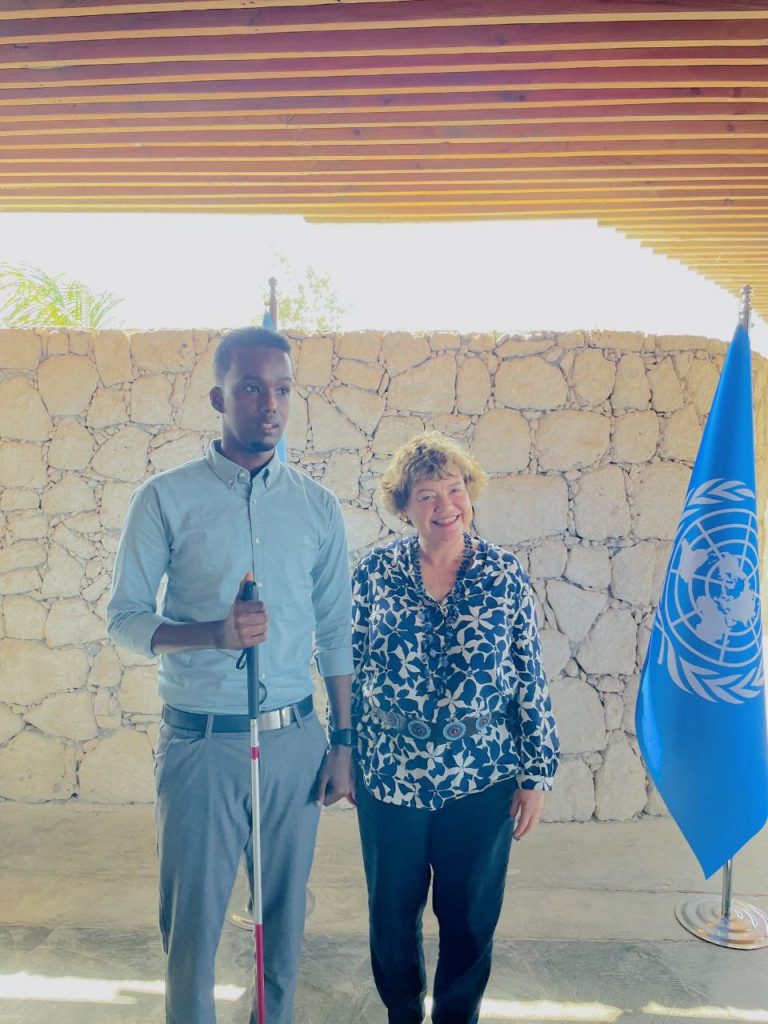
Similarly, the employment sector poses considerable challenges for disabled individuals. Discrimination, stereotypes, and lack of accessibility hinder their access to employment opportunities. Many employers are not aware of the potential and capabilities of disabled individuals or are unable to make necessary accommodations. This results in limited employment prospects, reinforcing social exclusion and economic marginalization for disabled people in Somalia.
In the realm of politics, disabled individuals often face barriers that restrict their active participation and representation. Political structures and processes may not be inclusive, making it difficult for disabled individuals to exercise their rights to vote, hold office, or engage in political decision-making. The absence of disability-inclusive policies and lack of awareness about disability rights further exacerbate their political marginalization.

The protection and promotion of human rights for disabled people in Somalia is another critical concern. Disabled individuals often face violations of their rights, including discrimination, lack of access to healthcare, inadequate social support systems, and limited access to justice. The absence of comprehensive legislation and disability-specific policies further impedes the realization of their human rights, leaving them vulnerable to marginalization and abuse.
Addressing these challenges requires a multi-faceted approach involving government commitment, civil society engagement, and international support. It is essential to enhance educational infrastructure, implement inclusive educational policies, and train teachers to provide equitable opportunities for disabled students. Encouraging employers to adopt inclusive practices, providing vocational training, and enforcing anti-discrimination laws can improve employment prospects for disabled individuals.

Furthermore, promoting disability-inclusive political processes, ensuring accessible voting procedures, and fostering political participation can empower disabled individuals in the realm of politics. Finally, developing disability-specific legislation, raising awareness about disability rights, and establishing support mechanisms are crucial for advancing the human rights of disabled people in Somalia.
Efforts to address these challenges require collaboration, advocacy, and an inclusive approach to building a society that respects and values the rights and contributions of disabled individuals in Somalia.